Resource Sequencing Techniques Across Slots, Tables, and Sports Markets in Blended Environments

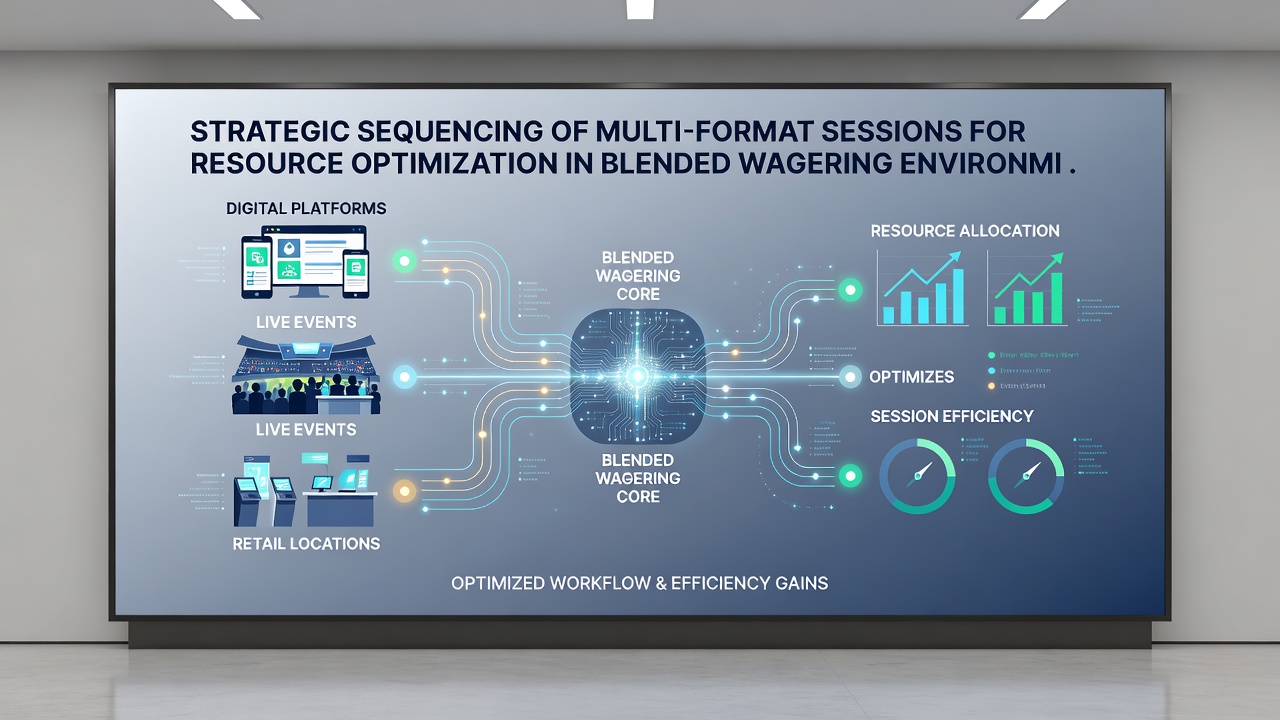
Blended wagering environments combine slot rotations, table games, and sports lines within single platforms, and operators have tracked how players arrange these formats to manage bankrolls and time allocations since early 2025. Data from integrated resorts indicate that deliberate ordering of session types produces measurable differences in capital retention rates and engagement duration, particularly when variance levels shift between mechanical reels, card outcomes, and event probabilities.
Core Principles of Format Ordering
Operators record that starting with lower-variance options such as certain slot configurations allows participants to establish baseline capital positions before moving into higher-variance table or sports segments, and this pattern appears consistently in transaction logs from facilities operating across multiple jurisdictions. Research from academic gaming studies shows that reversing the sequence, beginning with event-based wagers, correlates with faster drawdowns when initial outcomes deviate from expected probabilities, prompting earlier exits from subsequent formats.
Those who monitor player behavior note that mental effort metrics, captured through session length and decision speed, also respond to ordering choices. A rotation that places poker cycles after sports lines tends to preserve decision quality longer than the reverse arrangement, because the continuous nature of table play benefits from preceding periods of lower cognitive load. Figures released by the New Jersey Division of Gaming Enforcement for the first half of 2026 reflect similar patterns in cross-format activity at properties with unified wagering systems.
Bankroll Allocation Across Sequential Blocks
Capital deployment models used by platform developers assign percentage ranges to each format block based on historical volatility data. One common structure places 40 percent of available funds into initial slot rotations, 35 percent into table segments, and the remaining 25 percent into sports outcomes, with adjustments triggered by real-time performance indicators. Industry reports from the Singaporean Gambling Regulatory Authority document that facilities employing such staged allocations recorded steadier daily revenue curves during peak summer periods in 2025 compared with properties using uniform distribution across formats.
Transitions between blocks incorporate brief evaluation intervals where participants review running totals before committing to the next format. These intervals, typically lasting two to four minutes, allow recalibration of remaining resources without breaking overall session continuity. Observers tracking June 2026 activity at properties with advanced player tracking systems report that structured transitions reduce instances of unplanned format switching by approximately 18 percent.
Integration With Platform Features
Modern systems embed sequencing tools directly into account dashboards, allowing users to predefine block orders and receive automated prompts when resource thresholds approach preset limits. These features draw on aggregated data sets that compare outcomes across thousands of multi-format sessions, and they update recommendations monthly to reflect seasonal shifts in sports calendars and promotional structures. Canadian provincial regulators, including the Alcohol and Gaming Commission of Ontario, have noted increased adoption of such sequencing aids following regulatory updates in late 2025 that emphasized responsible play mechanisms.
Cross-platform loyalty programs further reinforce ordering strategies by awarding tier points that scale differently depending on the sequence completed. Completing a slot-to-table-to-sports progression often unlocks bonus multipliers unavailable to players who vary formats randomly, and this incentive structure appears in marketing materials from operators in both North American and Asian markets. Evidence from resort performance summaries indicates that participants following prescribed sequences accumulate loyalty benefits at rates 12 to 15 percent higher than those using unstructured approaches.
Adjustments for External Variables
Seasonal sports calendars introduce external timing pressures that influence optimal sequencing. When major events cluster within short windows, platforms adjust recommended orders to place sports blocks earlier, preserving table and slot segments for periods of lower external volatility. Reports compiled by the Australian Communications and Media Authority for the 2025-2026 fiscal year document corresponding changes in player session maps during peak rugby and racing seasons.
Promotional calendars also affect sequencing decisions. Time-limited offers tied to specific formats prompt temporary reordering, yet operators track whether these shifts produce lasting changes in baseline patterns once promotions conclude. Data sets maintained by gaming analytics firms show that most players revert to established sequences within one to two weeks after promotional periods end.
Conclusion
Strategic sequencing of multi-format sessions continues to evolve alongside platform capabilities and regulatory frameworks. Transaction records, loyalty metrics, and regulatory filings from multiple jurisdictions demonstrate that deliberate ordering across slots, tables, and sports markets produces distinct patterns in resource utilization. As integrated environments expand through 2026, the data infrastructure supporting these sequences will likely incorporate additional variables such as live event timing and dynamic promotional triggers, maintaining focus on measurable allocation outcomes rather than prescriptive player guidance.