Notification Loops Driving Player Decisions in Mobile Gambling Platforms
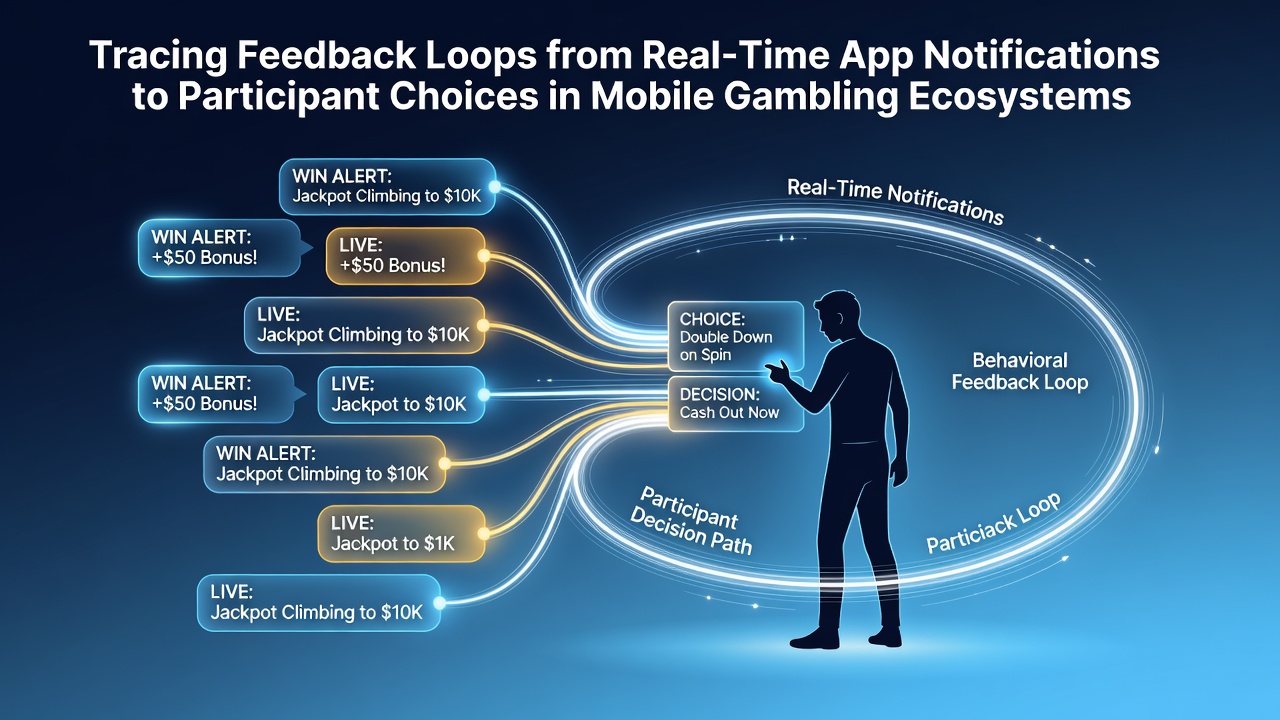
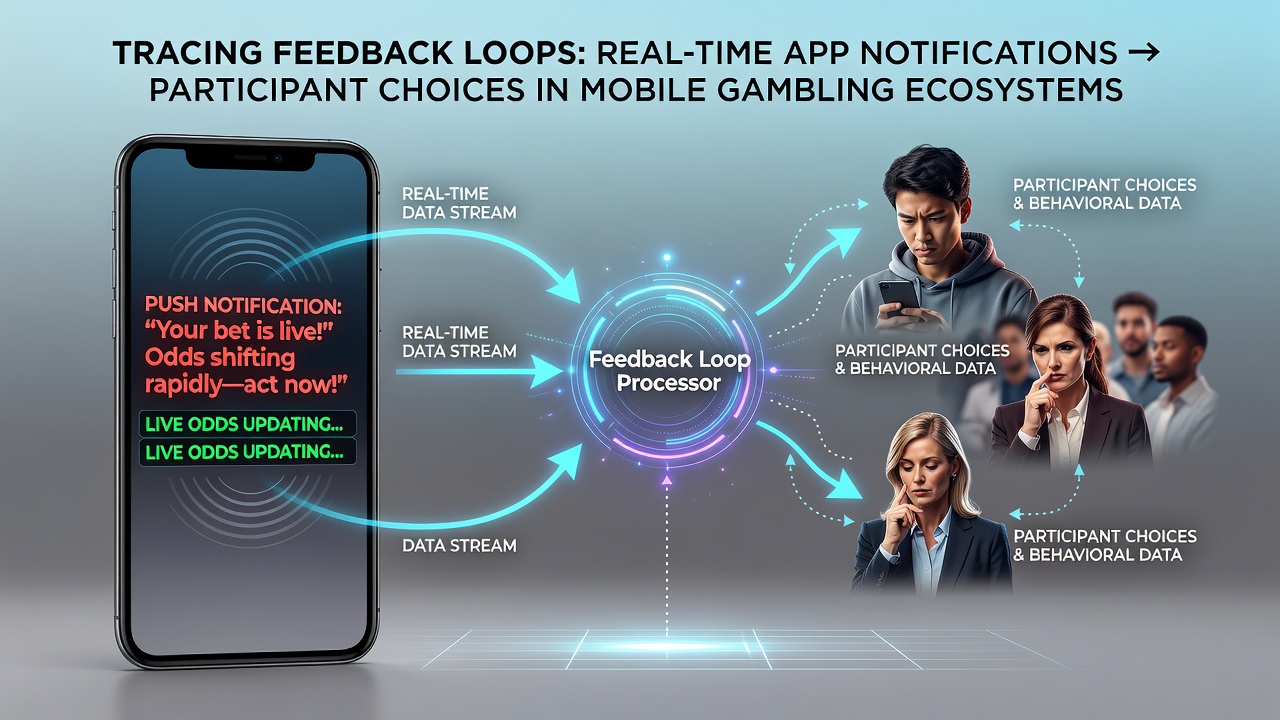
Real-time notifications in mobile gambling apps create direct pathways that connect system alerts with user selections, and these pathways form measurable feedback loops where each notification influences subsequent choices while data from those choices refines future alerts. Observers note that push messages, in-app banners, and timed prompts deliver information about bonuses, odds shifts, or session reminders, and this delivery occurs within seconds of user activity or external events such as live sports developments. Research indicates that the speed of these alerts allows platforms to maintain continuous engagement cycles, whereas slower traditional marketing channels lose immediacy and impact.
Mechanics of Notification Delivery and Initial User Response
Platforms collect behavioral data including login times, deposit patterns, and game preferences, then algorithmically generate notifications tailored to those inputs. When a user receives a message about an expiring free spin offer, the alert includes direct links that reduce friction between receipt and action, and studies show that click-through rates rise when the message appears within two minutes of the triggering event. Data from multiple operators reveals that participants who engage with the first notification in a sequence often proceed to additional prompts within the same session, creating a compounding effect that extends play duration.
Geolocation and device sensors further refine delivery, so a user near a partnered venue might receive a location-based incentive while another receives a time-sensitive deposit match instead. According to reports from the Alcohol and Gaming Commission of Ontario, regulatory reviews in 2025 documented how these targeted systems operate across licensed apps, and those reviews highlighted the volume of daily notifications sent to active accounts.
Feedback Mechanisms Linking Choices Back to System Adjustments
Once a participant accepts or declines a notified offer, the resulting action feeds back into the platform's model, which adjusts subsequent message frequency, content, and timing for that individual. This loop operates through machine learning processes that track conversion metrics such as deposit size after a bonus alert or game switch following an odds update. Figures released in July 2026 by industry monitoring groups demonstrate that apps incorporating rapid feedback adjustments achieved higher retention rates compared with static notification schedules, and the difference appeared most pronounced among users who received between three and five personalized prompts per day.
Take one developer who implemented A/B testing on notification wording, and that testing revealed participants responded more consistently to messages framing outcomes as immediate opportunities rather than general promotions. The data loop then prioritized similar phrasing across comparable user segments, while those segments in turn generated new performance metrics that further tuned the system.
Observed Patterns Across Different Gambling Formats
Slot-focused apps tend to route notifications toward volatility indicators and bonus triggers, whereas sports betting platforms emphasize live event updates and cash-out options. Research from the Victorian Responsible Gambling Foundation shows that cross-format apps, which allow seamless movement between verticals, record elevated response rates when a notification references prior activity in another format, such as suggesting a table game after a sports wager closes. The loop strengthens when users maintain accounts across multiple products, because the shared data pool enables more precise prediction of receptive moments.
Participants who set custom preferences for notification types still encounter the loop, since acceptance of even one alert updates the preference weighting and may increase exposure to related categories. Industry data indicates that opt-out rates remain low when the initial messages deliver clear value, such as verified win notifications or verified limit reminders, whereas generic volume increases correlate with higher disable rates over multi-week periods.
Regulatory Context and Platform Adaptations
Regulators in several jurisdictions require disclosure of notification practices within terms and privacy policies, and those requirements influence how platforms structure consent flows before loops activate. In jurisdictions with mandatory spending limit tools, notifications that reference remaining limits or time-based reminders integrate directly with compliance systems, and operators report that such integrated alerts reduce the incidence of manual limit adjustments during active sessions. The Alcohol and Gaming Commission of Ontario continues to track these implementations, providing updates that operators use to maintain alignment across different regulatory environments.
Conclusion
Feedback loops originating from real-time notifications continue to shape participant pathways in mobile gambling ecosystems through iterative data exchange between system alerts and user selections. Evidence from operator analytics and regulatory summaries shows these mechanisms operate consistently across formats and regions, with adjustments occurring at both individual and aggregate levels. As platforms refine their models, the connections between notification content and resulting choices remain central to understanding engagement patterns in this environment.