Layered Loyalty Mechanics Shape Cross-Platform Sequencing in Integrated Resort Ecosystems
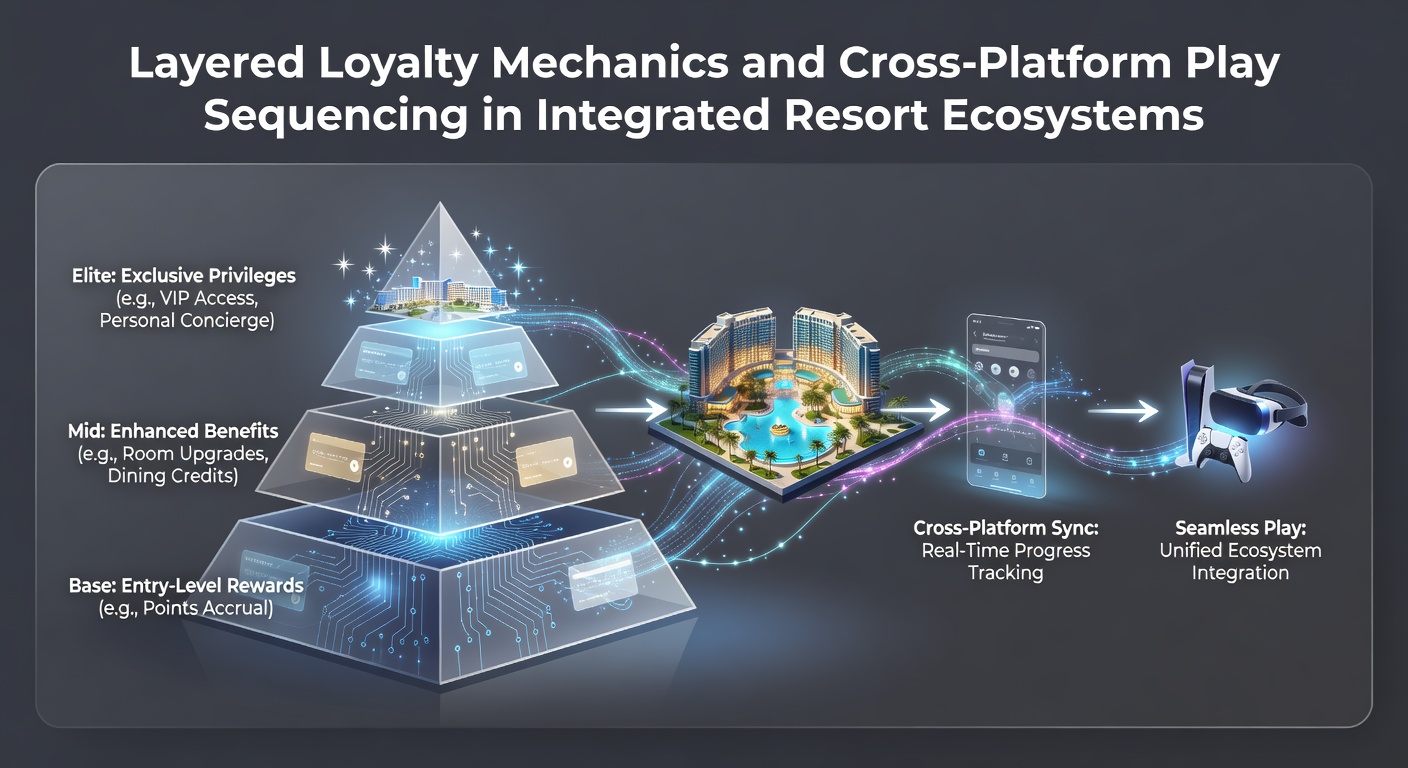
Integrated resort ecosystems combine hotels, gaming floors, restaurants, entertainment venues, and digital platforms into single operational networks where player activity flows between locations and devices. Layered loyalty mechanics organize rewards into progressive tiers that track cumulative spend, time on site, and engagement patterns while cross-platform sequencing directs the order of play across physical slots, table games, mobile apps, and online portals. Data from major operators shows these systems now handle millions of daily interactions that link real-world visits with virtual sessions.
Core Components of Layered Loyalty Structures
Tier systems in integrated resorts typically begin with entry-level membership that records basic activity and escalate through silver, gold, platinum, and diamond levels based on points earned from gaming volume, hotel stays, and dining purchases. Points accrue at different rates depending on game type and platform, with table games often awarding higher multipliers than slots while online play contributes at reduced rates to balance overall system economics. Observers note that operators adjust these multipliers quarterly using historical data sets that reveal which combinations drive repeat visits and higher average daily theoretical losses.
Sequencing rules determine how players move between environments without losing progress. A guest who starts a session on a mobile app can transfer earned points to a physical card upon arrival at the property, then continue accumulating value at live tables before logging back into the app from their hotel room. Research conducted by the University of Nevada, Las Vegas gaming laboratory indicates that such seamless handoffs increase session length by measurable percentages when friction points like separate logins or delayed point postings are removed.
Cross-Platform Play Pathways and Operational Sequencing
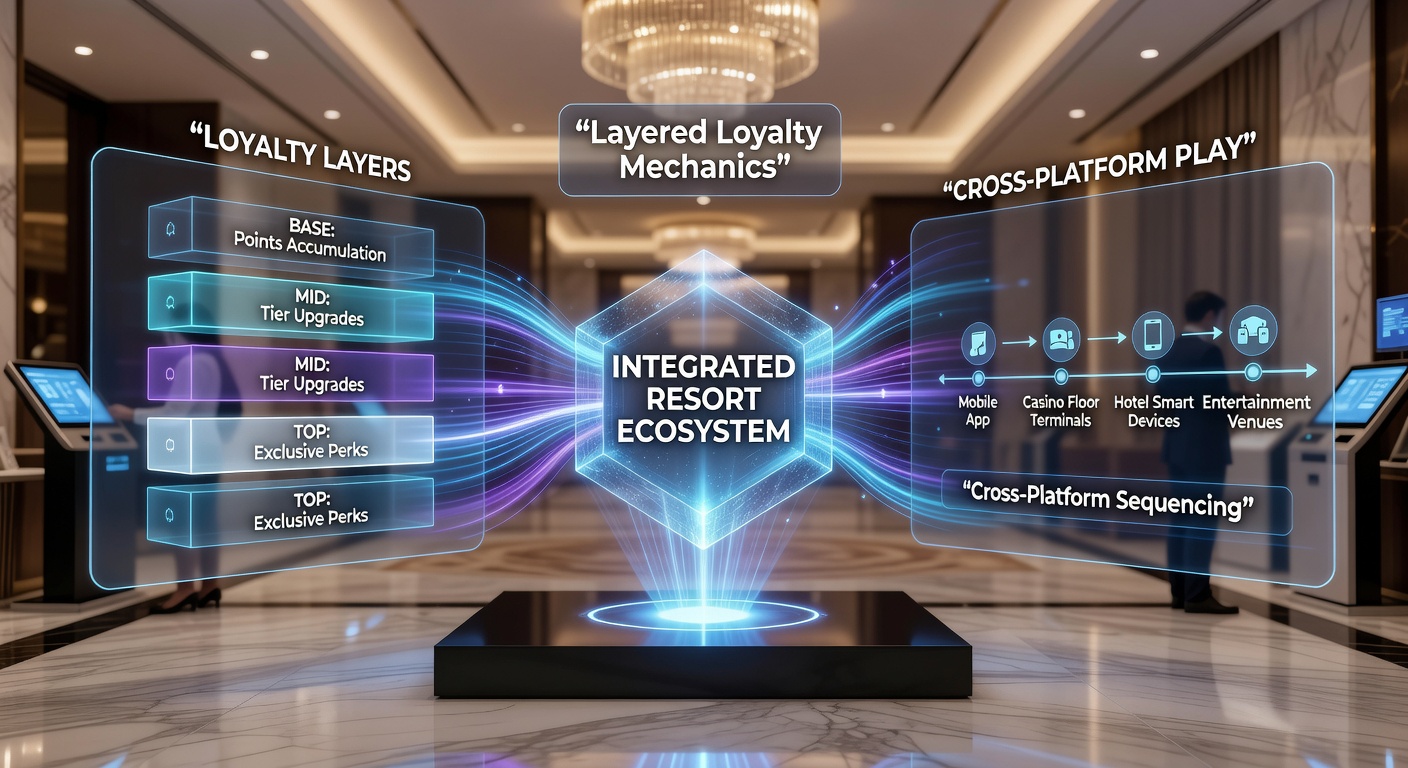
Play sequencing follows predictable patterns that operators map through behavioral analytics. Many guests begin with low-stakes mobile sessions during commute hours, shift to high-limit table play during evening property visits, and finish with casual slot spins via in-room tablets before checkout. Integrated systems capture these transitions through unified player accounts that timestamp every action and assign appropriate tier credits automatically. According to figures released by the Nevada Gaming Control Board in their June 2026 monthly report, properties using synchronized sequencing recorded a 12 percent rise in multi-platform activity compared with the prior year.
But here's the thing: sequencing logic must account for regulatory differences across jurisdictions. In Singapore, the Casino Regulatory Authority requires strict separation between online and land-based player funds, forcing operators to create mirrored accounts that still feed into a single loyalty ledger. Australian states impose similar data isolation rules yet allow aggregated loyalty tracking when players consent. These variations force resort groups to maintain parallel technical stacks that converge only at the rewards engine.
Technical Integration and Data Synchronization Methods
Modern resorts rely on application programming interfaces that push loyalty updates across platforms within seconds. When a player swipes a card at a slot machine, the central system recalculates tier status and pushes new offers to the mobile app before the next spin completes. Cloud-based customer relationship management platforms now handle the bulk of this traffic, storing historical sequences that marketing teams query to predict future movement patterns. One study published by the International Gaming Institute found that resorts employing real-time synchronization reduced point discrepancies reported by guests by over 40 percent during the first year of deployment.
What's interesting is how sequencing extends beyond gaming into non-gaming touchpoints. Hotel key cards double as loyalty identifiers that trigger room offers based on recent table play, while restaurant reservations pull from the same profile to suggest personalized dining credits. This creates closed loops where activity in one area directly influences options in another, keeping guests inside the ecosystem longer. Data indicates that properties with fully linked non-gaming rewards see higher overall spend per visit even when gaming revenue remains flat.
Regulatory Oversight and June 2026 Developments
Regulators continue to examine how layered systems affect responsible gambling measures. In June 2026, several North American jurisdictions began requiring operators to display real-time loss limits across all connected platforms rather than per-device caps. European regulators adopted similar rules earlier, compelling integrated resorts to redesign their sequencing engines so that cumulative spend triggers mandatory cooling-off messages regardless of where play occurs. These mandates have prompted vendors to develop unified dashboards that display lifetime activity alongside daily limits.
Industry associations such as the American Gaming Association have published guidelines encouraging transparent communication of tier requirements and sequencing rules. Members report that clear disclosure correlates with higher guest satisfaction scores in post-visit surveys, though the association stops short of mandating specific technical standards. Operators must therefore balance competitive differentiation against compliance costs when expanding cross-platform features.
Conclusion
Layered loyalty mechanics and cross-platform sequencing now form foundational infrastructure within integrated resort operations. Data synchronization across physical and digital environments allows continuous tracking of player value while regulatory frameworks in multiple regions shape how these systems can evolve. As operators refine tier structures and sequencing logic through ongoing analysis, the technical and compliance landscape continues to shift in measurable ways documented by oversight bodies and research institutions.