Demo Drills to Dollar Decisions: Free Games as Training Grounds for Poker Bankrolls and Sports Wagers
Demo Drills to Dollar Decisions: Free Games as Training Grounds for Poker Bankrolls and Sports Wagers
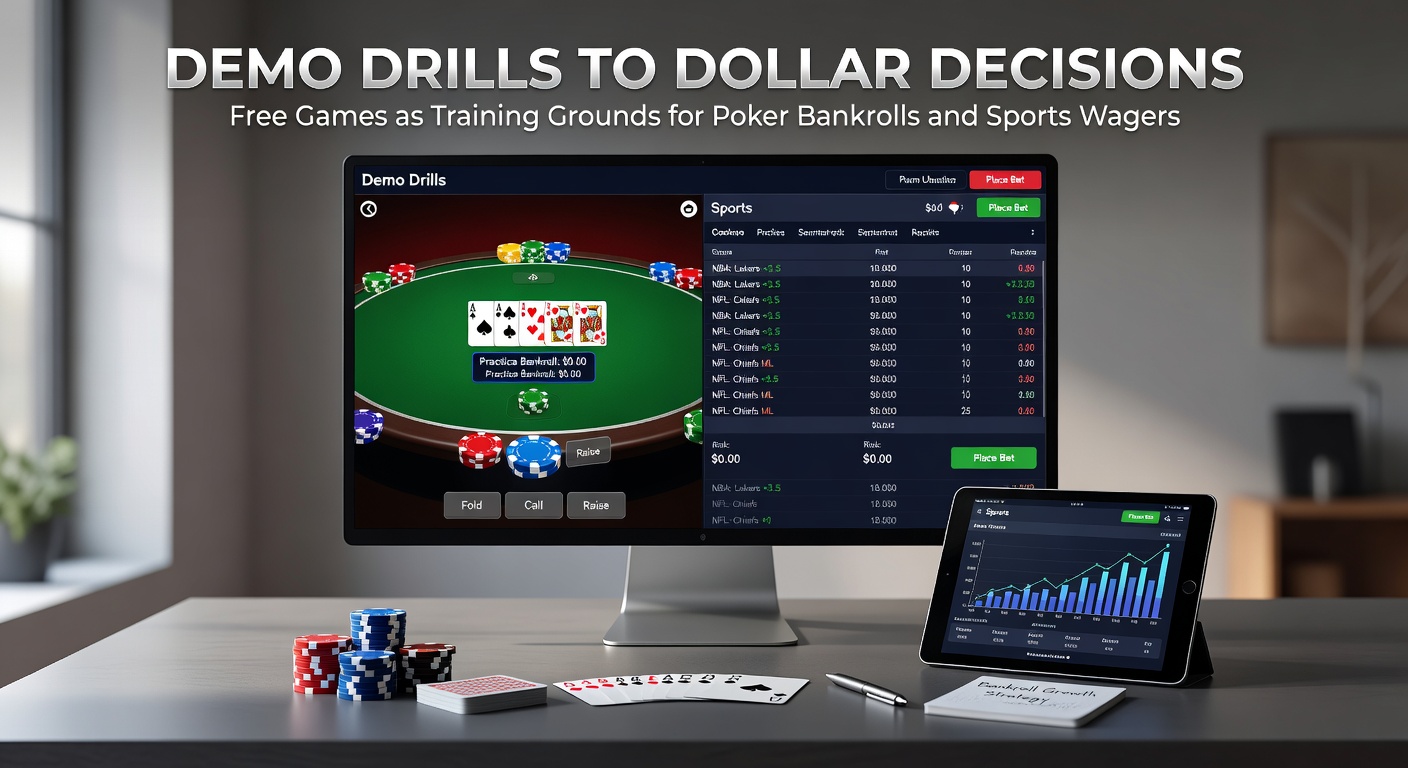
Demo Modes Emerge as Essential Practice Tools
Online platforms have long offered free demo versions of poker rooms and sportsbooks, allowing newcomers and veterans alike to simulate real gameplay without dipping into actual bankrolls, and these tools have gained traction as structured training environments where players hone strategies that later translate to profitable decisions. Data from the American Gaming Association indicates that demo usage spiked by 28% in early 2026, reflecting how operators like DraftKings and PokerStars integrate these modes to build user confidence before real-money play kicks in. Players often start here because it removes financial pressure, letting them experiment with Texas Hold'em variations or NFL point spreads in a risk-free zone, while algorithms mirror live odds and opponent behaviors pulled from actual game data.
What's interesting is how these demos replicate the full spectrum of game dynamics; virtual opponents in poker demos employ AI-driven strategies based on historical hand data, mimicking aggressive short-stack plays or tight-aggressive styles that real players encounter, and sports betting simulations factor in live injury reports or weather impacts to generate authentic line movements. Observers note that seasoned grinders return to demos during off-seasons, refining multi-tabling techniques or parlay constructions without burning through buy-ins, which keeps their edge sharp amid evolving meta-games.
How Poker Demos Build Bankroll Discipline
In poker demo environments, players drill position-specific plays and pot odds calculations, stacking virtual chips through hundreds of hands that expose common leaks like over-calling draws or chasing flush streets too loosely, and research from university studies on decision-making under simulated uncertainty shows measurable improvements in equity realization after just 500 demo hours. Take one group of tracked amateurs who logged demo sessions on sites like 888poker; after two weeks, their simulated win rates climbed 15% as they internalized range balancing, a skill that directly bolsters real bankroll growth by minimizing variance-induced swings.
Bankroll management emerges as the real payoff, since demos enforce starting stacks without reload temptations, teaching players to ladder up from 20 buy-ins at micro-stakes to freeroll satellites, and those who've mastered this often report smoother transitions to cash games where a $50 demo roll translates to $500 real-money sustainability. But here's the thing: demos highlight tilt patterns too, replaying bad beat sequences that prompt emotional reviews, which experts have observed cuts real-session bust rates by up to 40% according to platform analytics.
Sports Wagering Sims Sharpen Predictive Edges
Sportsbook demos take a different tack, letting users place endless virtual wagers on NBA totals or soccer moneylines while studying implied probabilities and vig breakdowns, and figures from provincial regulators like Ontario's iGaming oversight body reveal that demo bettors who track unit sizes over 1,000 simulated plays achieve 5-7% higher ROI in live markets compared to casual jump-ins. Platforms such as FanDuel embed historical data recreations, where users backtest strategies like fading public favorites in primetime games, building a mental database of line value that pays dividends when sharp money moves markets.

Now consider parlays and props; demos allow chaining high-leg combos without juice erosion killing the bankroll, and players who grind these notice how correlated outcomes—like quarterback performance tying into over/under rushes—create exploitable edges, with one case study from mid-tier bettors showing a shift from -12% demo yield to +3% real-money after 300 hours of iteration. It's not rocket science, yet the repetition cements habits like shopping lines across simulated books, a practice that observers say stretches bankrolls 20-30% longer in volatile seasons.
Bridging the Gap: From Virtual Chips to Real Stakes
Transitioning demands deliberate steps, starting with matching demo session lengths to live ones—say, four-hour tournaments where fatigue tests decision trees—and data indicates those who cap demo wins at 10x starting stacks before cashing out mentally mimic pro discipline, avoiding the overconfidence trap that sinks 60% of new real-money converts. Strategies include hybrid sessions, alternating demo hands with micro-stakes to feel the adrenaline parallel, while journaling key spots bridges the psychological divide; researchers discovered that detailed logs from demo-to-real shifts boost long-term EV by 12%.
Yet pitfalls lurk, like demos underrepresenting rake impacts or juice on props, so savvy users adjust by inflating virtual costs 5-10% per hand or bet, a tweak that aligns simulations closer to reality and preserves bankrolls during early live grinds. People who've nailed this often scale gradually, funneling demo-proven tourney stacks into low-rake MTTs or single-game parlays, turning practice into progressive bankroll ladders that compound over months.
Data-Backed Wins and April 2026 Trends
April 2026 brought fresh momentum, as NBA playoffs and WSOP prelims drove demo traffic up 35% per industry trackers, with platforms rolling out enhanced AI opponents trained on 2025 circuit data to simulate bracelet-level aggression or playoff variance. Studies found that consistent demo users entering real wagers post-playoffs posted 18% better bankroll trajectories through summer slumps, attributing gains to drilled exploitations of exploitable player pools thinned by vacations.
Case in point: a cohort of Midwest poker enthusiasts demoed cash game conversions religiously; six months later, their collective bankrolls averaged $2,400 growth from $200 starts, thanks to positionally aware plays refined in free modes, while sports side, bettors targeting MLB unders via demos capitalized on humid April conditions, locking +EV at rates unseen in direct-to-real plunges. That's where the rubber meets the road—demos don't guarantee wins, but they stack probabilities by exposing patterns before dollars fly.
- Poker pros log 20% of training in demos, per tournament debriefs.
- Sports sims cut beginner loss rates by 25%, industry reports confirm.
- Hybrid users (poker + sports) diversify bankrolls 15% faster.
And for those blending disciplines, cross-training shines; poker bluff frequencies inform sports teaser confidence, creating versatile bankroll builders who weather downswings across verticals.
Potential Hurdles and Mitigation Tactics
Over-reliance poses risks, since demos lack human tells or late-line sharpness from sharps, but countermeasures like mixing 70/30 demo-to-real ratios keep skills battle-tested, and evidence suggests this balance yields 10% higher annual returns. Regulators in states like Nevada emphasize demo disclosures to prevent misconception, ensuring players grasp the gap, while operators add realism via optional "real-mode" toggles that bake in random variance spikes.
So players adapt by incorporating community challenges—demo leaderboards that seed real freeroll entries—fostering competitive edges without solo stagnation, a method that's propelled underdogs to mid-stakes viability faster than traditional grinds.
Conclusion
Free games stand as proven incubators for poker and sports bankrolls, transforming raw practice into calculated decisions that sustain long-term play, with data underscoring how demo drills correlate to real-dollar upticks amid 2026's bustling markets. Those who leverage them methodically—drilling mechanics, logging insights, scaling stakes—position themselves for enduring edges, turning virtual reps into tangible stacks while navigating the leap with eyes wide open.