Coordinating Rest Periods with Shifts Between Slot Machines, Table Games, and Sports Wagering for Continued Player Engagement
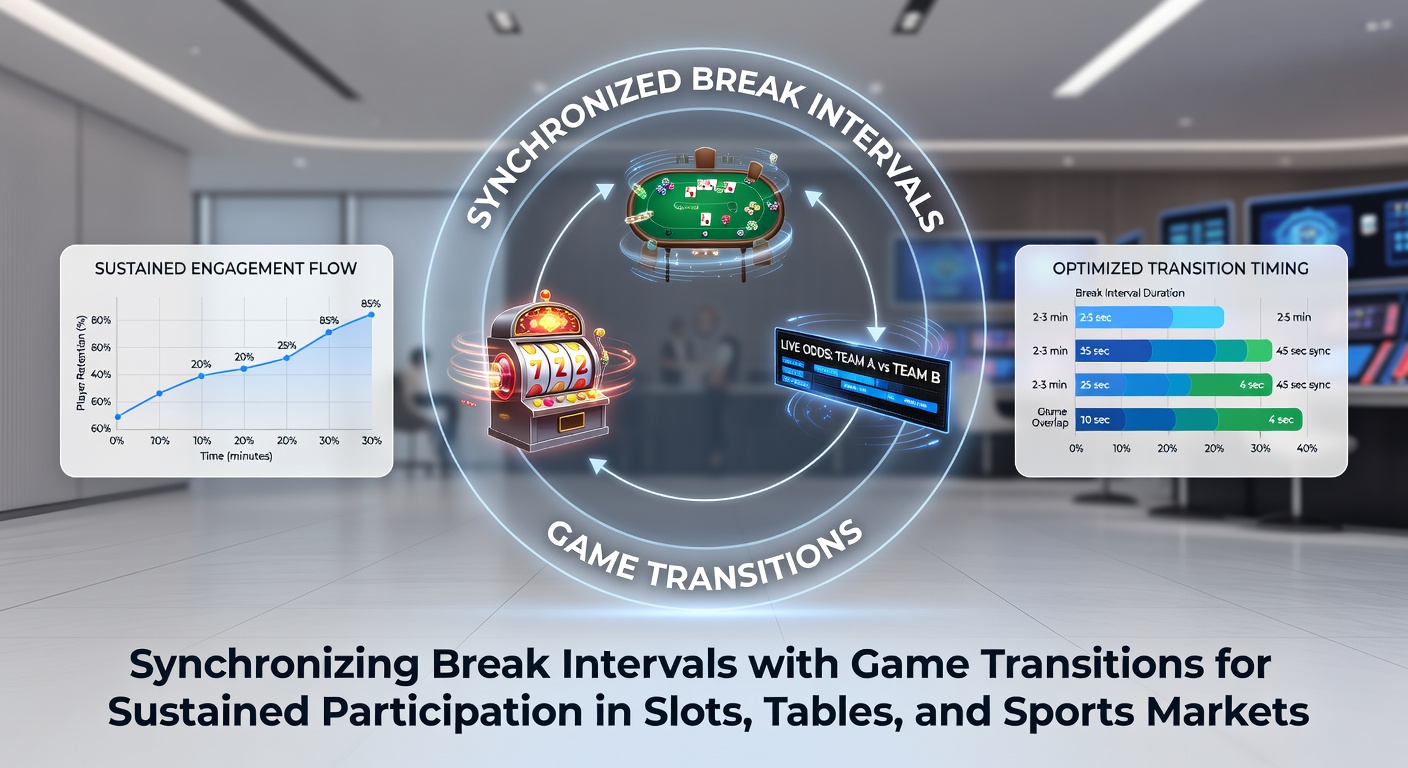
Operators in the gaming sector have examined methods for aligning scheduled pauses with changes between different activity types, and data indicates these approaches support longer overall involvement periods. Research from industry groups shows participants who adjust rest timing during switches from reel-based games to card tables or live event lines maintain steadier engagement levels across sessions.
Patterns in Slot Machine Sessions
Slot rotations often feature rapid cycles of play that benefit from brief pauses inserted at natural reel reset points, while studies reveal players who time these intervals before moving to another machine type report fewer abrupt stops. Figures from multiple state reports demonstrate that structured transitions, rather than random breaks, correlate with extended time spent on the gaming floor. Observers note that linking a short rest to the moment a bonus round concludes helps preserve momentum when participants decide to explore new titles.
Transitions at Card and Table Environments
Table game cycles present different demands because rounds conclude at dealer-determined intervals, and experts have tracked how inserting a pause right after a hand ends supports smoother movement to adjacent tables or entirely different game categories. Data collected in June 2026 across several North American properties indicates that players who coordinate these rests with table minimum adjustments sustain participation rates higher than those who continue without interruption. Researchers discovered that such timing reduces fatigue accumulation during multi-hour visits that include both blackjack and roulette segments.
Integration with Sports Outcome Markets
Sports wagering lines operate on event schedules that rarely align with machine or table rhythms, yet synchronized breaks placed between bet placements and game switches have shown measurable effects. Reports compiled by the American Gaming Association highlight that bettors who pause after confirming a wager on one sport before shifting attention to slot play or poker maintain consistent activity across platforms. This approach proves particularly relevant when live events overlap with casino floor sessions, allowing participants to refresh focus without losing track of ongoing markets.
One analysis from the University of Nevada, Las Vegas tracked thousands of sessions and found that breaks aligned with transitions between in-play sports bets and table games produced steadier bankroll management patterns. Participants who applied this method avoided the sharp drop-offs sometimes seen when switching abruptly from fast-paced digital interfaces to slower dealer-paced environments.
Cross-Market Sequencing Data
Integrated resort systems now incorporate tools that suggest rest windows based on activity type changes, and evidence suggests these features contribute to prolonged visits. Australian research institutions documented similar outcomes in venues where digital prompts encouraged pauses at the conclusion of one vertical before entry into another. The result appears in aggregated figures showing reduced voluntary session terminations during peak hours in June 2026.
Those who have studied player flow across slots, tables, and sports markets observe that the most effective intervals range from two to five minutes when positioned immediately after a natural endpoint in each category. This placement allows cognitive reset without breaking the overall rhythm of a multi-activity outing. Regulatory bodies in several jurisdictions, including the Nevada Gaming Control Board, have noted increased compliance with voluntary responsible play features when such timing cues are present.
Implementation Across Platforms
Digital and land-based operators have tested software that detects game-type transitions and proposes break moments accordingly, while results from pilot programs indicate measurable retention improvements. Players who follow these prompts during shifts from video slots to sportsbooks demonstrate continued participation through subsequent table visits. The approach connects separate verticals into a single extended experience rather than isolated segments.
Conclusion
Available data across multiple markets points to measurable advantages when rest intervals are deliberately matched to transitions between slots, tables, and sports wagering activities. Properties that apply these coordination methods record steadier participation metrics, particularly during periods of high cross-vertical movement. Continued monitoring through 2026 and beyond will clarify long-term patterns in how these synchronized practices influence overall session duration and player movement across gaming categories.