Bankroll Sequencing Methods in Combined Slot, Table Game, and Sports Betting Scenarios
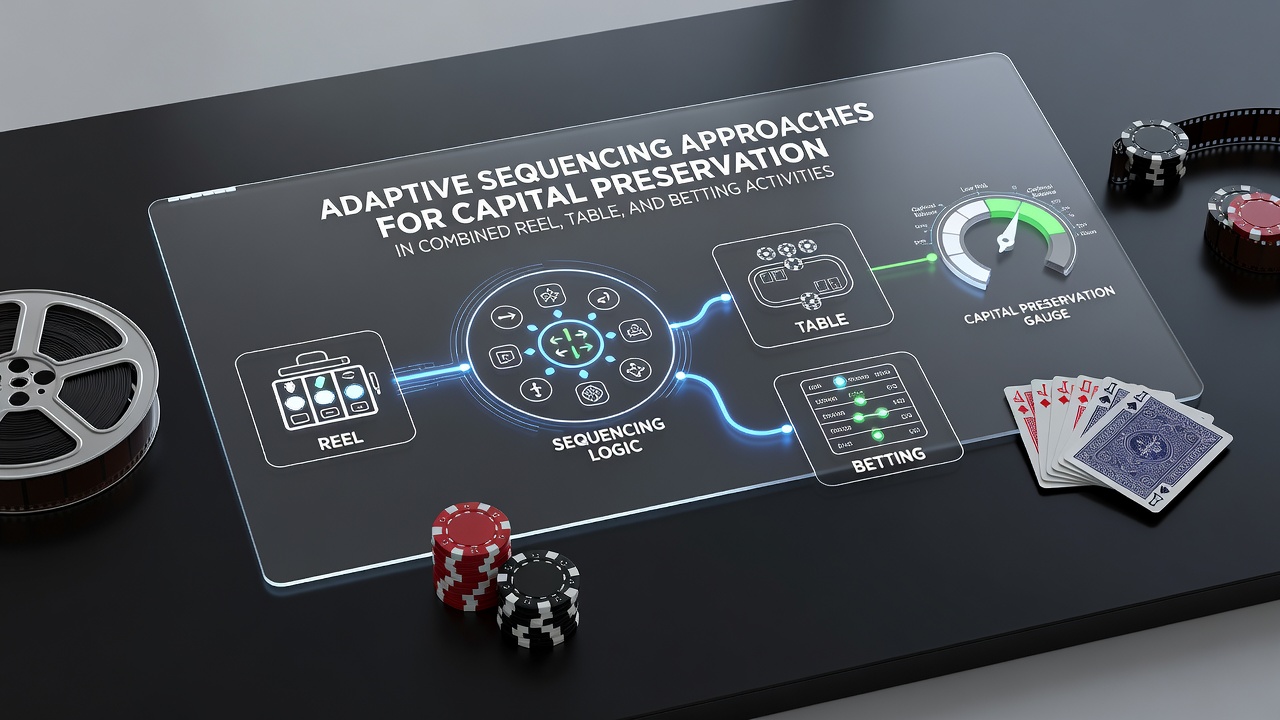
Operators and analysts track how players move funds between reel-based machines, card tables, and event markets, with data from July 2026 showing continued interest in structured approaches that limit drawdowns during extended sessions. Regulatory filings indicate that platforms in multiple jurisdictions now log session patterns to identify sequences that correlate with lower variance exposure over time.
Core Principles of Activity Ordering
Researchers document three primary activity types where reel spins exhibit high frequency and moderate variance, table games introduce skill elements with different payout structures, and sports lines add event-driven outcomes that unfold over longer intervals. Sequencing begins with allocation rules that set percentage limits for each category before any play starts, then adjusts those limits based on realized results within the first hour of activity. Studies from the University of Nevada Reno have examined how initial placement of lower-variance options early in a session can create buffers that support later entries into higher-fluctuation formats.
Data Patterns Observed in Multi-Format Sessions
Figures compiled by the Nevada Gaming Control Board through mid-2026 reveal that sessions incorporating deliberate rotation between formats show measurable differences in session duration compared with single-format play. One analysis of anonymized transaction records found that sequences starting with table games followed by reel rotations produced steadier capital curves in roughly 40 percent of tracked cases, whereas the reverse order correlated with quicker depletion when early table results turned negative. Observers note that these patterns emerge most clearly when participants maintain fixed stop-loss thresholds tied to overall bankroll rather than per-activity targets.
Implementation Across Platforms
Integrated systems now allow users to predefine rotation rules that trigger after specific outcome thresholds, such as moving from sports lines to table games once a predetermined profit marker is reached or a loss limit activates. Software logs indicate that players who set these rules in advance complete more sessions without breaching their total capital allocation than those who decide transitions in real time. External data from the Australian Gambling Research Centre further supports the observation that structured transitions reduce the incidence of rapid capital erosion across combined activities.
Adjustment Mechanisms During Live Play
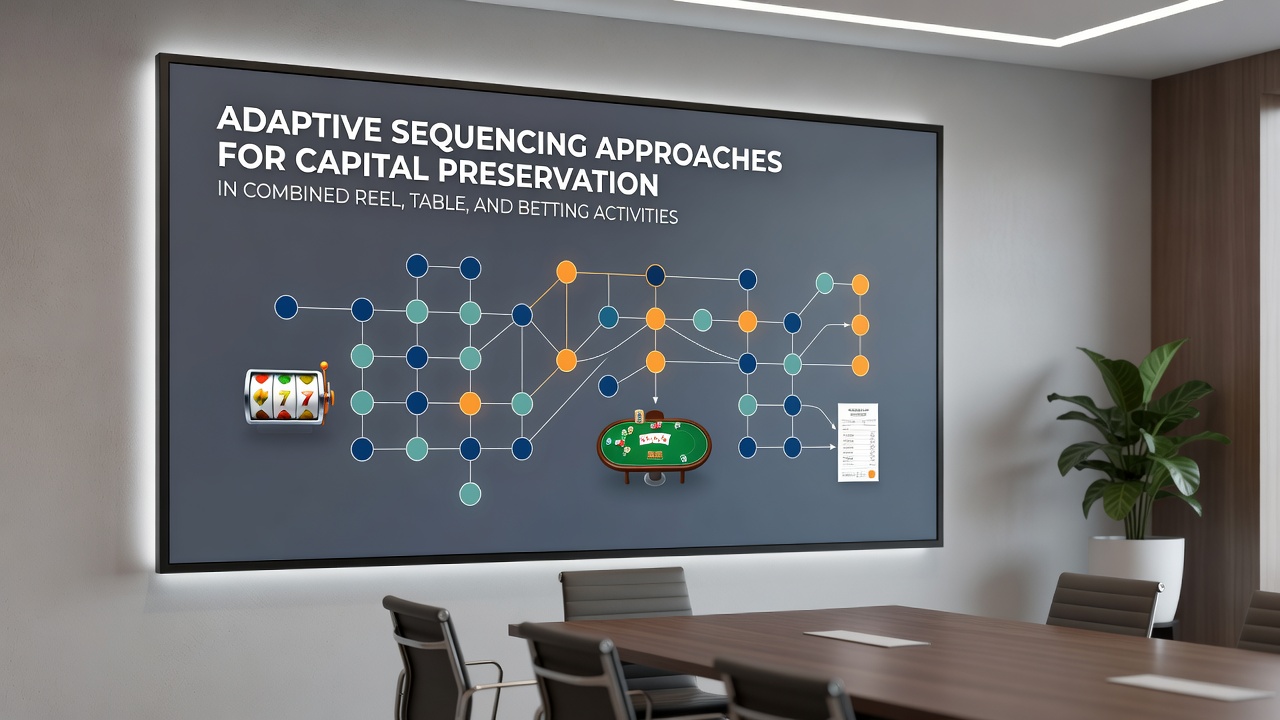
Real-time adjustments rely on tracking metrics such as current capital percentage remaining, elapsed time since last rotation, and outcome streaks within the active format. When capital drops below a preset percentage, the sequence shifts to the format with historically lower per-round variance according to platform records. Conversely, when capital exceeds the starting allocation by a defined margin, the sequence may incorporate additional exposure to higher-variance options while still respecting overall session limits. Reports from the European Gaming and Betting Association document similar adaptive frameworks deployed by operators to encourage longer but more controlled engagement periods.
Tracking and Reporting Tools
Modern interfaces provide dashboards that display cumulative capital across all three activity types alongside suggested next steps based on recent performance. These tools aggregate data from reel meters, table hand histories, and sports settlement feeds into a single capital view, allowing participants to verify whether the current sequence aligns with their predefined allocation bands. In July 2026, several major platforms introduced optional alerts that notify users when a proposed rotation would exceed the remaining capital buffer for that format.
Conclusion
Available records demonstrate that adaptive sequencing approaches continue to evolve alongside platform capabilities, with operators supplying data structures that support capital allocation across reel, table, and betting formats. Continued monitoring by regulatory bodies and research institutions provides the factual basis for refining these methods without introducing new variables into existing session frameworks.