Aligning Session Rhythms Across Rotating Reels, Table Hands, and Outcome Markets for Capital Deployment
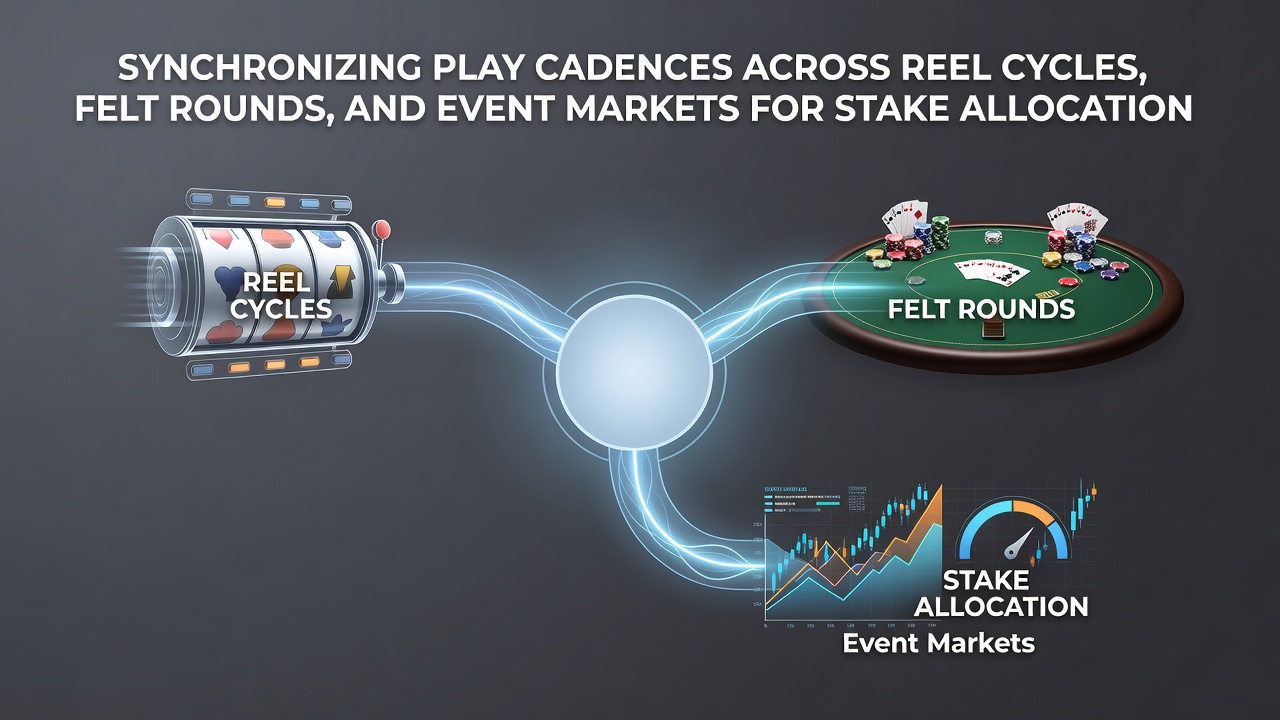
Operators and analysts track how players move through different game formats while adjusting bet sizes to maintain overall exposure levels, and this process involves matching the natural timing of each activity so that funds flow without unnecessary gaps or overlaps. Reel cycles in slot machines complete spins every few seconds while table rounds on felt surfaces unfold over minutes, and event markets in sports wagering unfold across hours or days, which creates distinct cadences that require deliberate coordination when distributing stakes across platforms.
Core Elements of Reel Cycle Timing
Slot rotations operate on short intervals where each spin resolves quickly and results feed directly into the next decision point, according to data compiled by the Nevada Gaming Control Board on machine performance metrics. Players often sequence these rapid cycles in bursts that last ten to thirty minutes before shifting focus, and synchronization begins when they reserve portions of their bankroll specifically for these fast-paced segments. Research from the Australian Gambling Research Centre shows that operators who publish average spin durations help participants plan transitions more effectively between machines and slower formats.
Structure of Felt Round Pacing
Table game rounds progress through dealer actions, player choices, and resolution phases that typically span three to eight minutes per hand or deal, which contrasts sharply with automated reel systems. Observers note that participants who align their entry into felt rounds with the conclusion of a reel session reduce idle time and keep capital active, while variance patterns in card outcomes demand larger reserve buffers than quick spin sequences. Studies on integrated resort operations indicate that venues offering synchronized scheduling tools see steadier engagement across both machine banks and table pits during peak periods.
Event Market Durations and Overlap Management
Sports outcome markets extend over variable windows that can last from minutes in live betting to full days in pre-match lines, and these longer horizons allow for staggered stake releases that complement the quicker resolutions found in reels and cards. Data shows participants who map event start times against planned reel and table sessions maintain more consistent allocation rates, especially when multiple markets run concurrently. In June 2026 several North American platforms introduced timeline overlays that displayed simultaneous reel availability alongside upcoming sports fixtures, enabling smoother capital shifts without disrupting individual game flows.
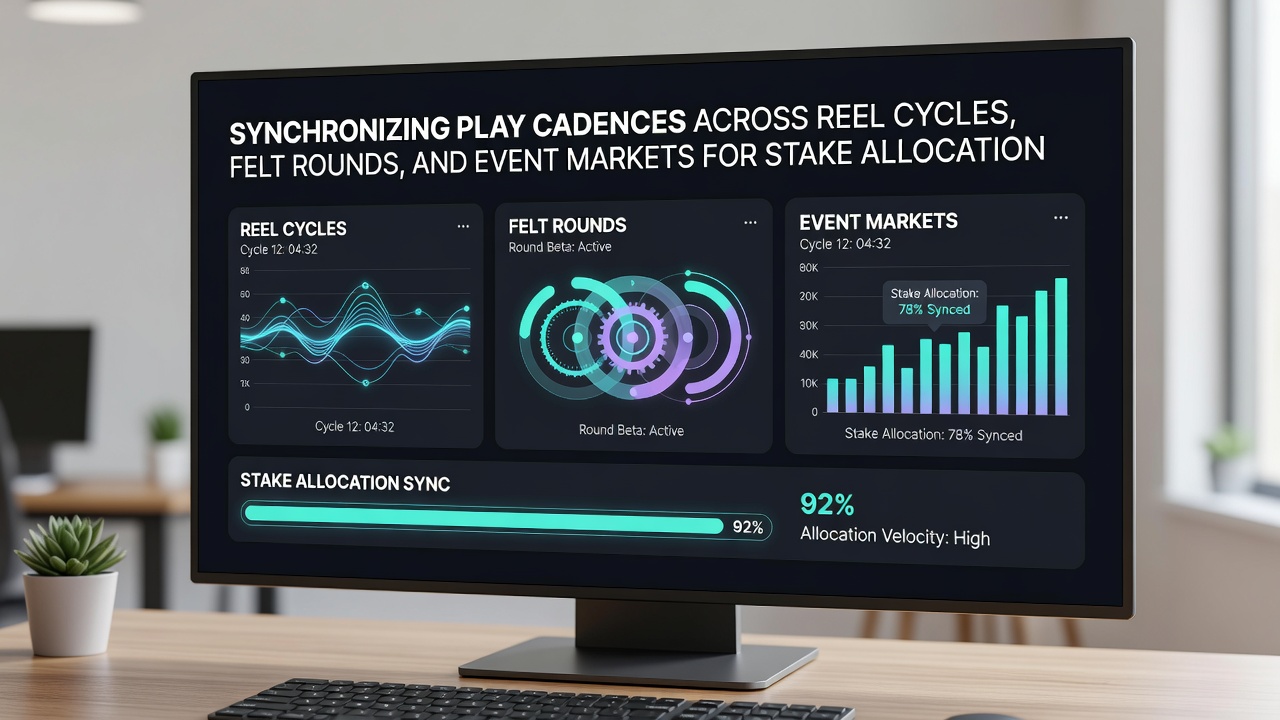
Those who studied cross-format patterns discovered that matching the end of a reel burst with the opening of a table round or the start of an event line minimizes cash drag and supports steadier overall deployment. Industry reports highlight how digital dashboards now display remaining cycle estimates for each format so users can anticipate transitions rather than react after funds sit idle.
Practical Coordination Methods
Allocation frameworks begin with dividing total capital into segments sized for each cadence type, then applying time-based triggers that signal when to move remaining portions forward. One common approach involves setting reel session limits at fixed spin counts, followed by automatic prompts to evaluate table entry or market selection based on upcoming event calendars. Figures from regulatory filings reveal that platforms incorporating these prompts report higher session continuity rates as players avoid abrupt stops between formats.
Another layer involves variance adjustment, where shorter reel cycles receive smaller per-cycle stakes while longer event markets absorb larger committed amounts spread across multiple outcomes. Researchers tracking player behavior across regions found that those who updated allocation percentages weekly based on recent cadence performance maintained steadier bankroll trajectories over multi-week periods. Venues in Asia-Pacific markets have tested shared calendars that list reel maintenance windows alongside table tournament schedules and sports event blocks, which helps participants pre-plan stake movements across all three areas.
Technology Integration Examples
Integrated apps now combine real-time spin counters with table wait-time estimates and live sports clocks, allowing users to visualize how one activity ends as another becomes available. Observers tracking adoption rates in early 2026 noted that these tools gained traction first among frequent multi-format participants who already managed separate ledgers for each game type. External data from academic reviews of gambling systems confirms that visible timeline synchronization correlates with reduced instances of capital remaining unallocated during natural breaks between rounds and events.
Operators continue refining these interfaces by incorporating user-selected preferences for cycle lengths and market durations, which produces personalized sequencing recommendations without overriding individual stake decisions. The result appears in aggregated reports showing more even distribution of activity across reels, felt, and markets throughout daily and weekly windows.
Conclusion
Effective synchronization of play cadences requires mapping the distinct durations of reel cycles, felt rounds, and event markets against available capital so that stake allocation proceeds without extended pauses. Platforms that supply timing data and transition prompts support this coordination, while participants who apply segment-based planning across formats achieve more consistent deployment patterns. Continued development of shared scheduling features across regions suggests these methods will expand as more venues link their respective game and market timelines.